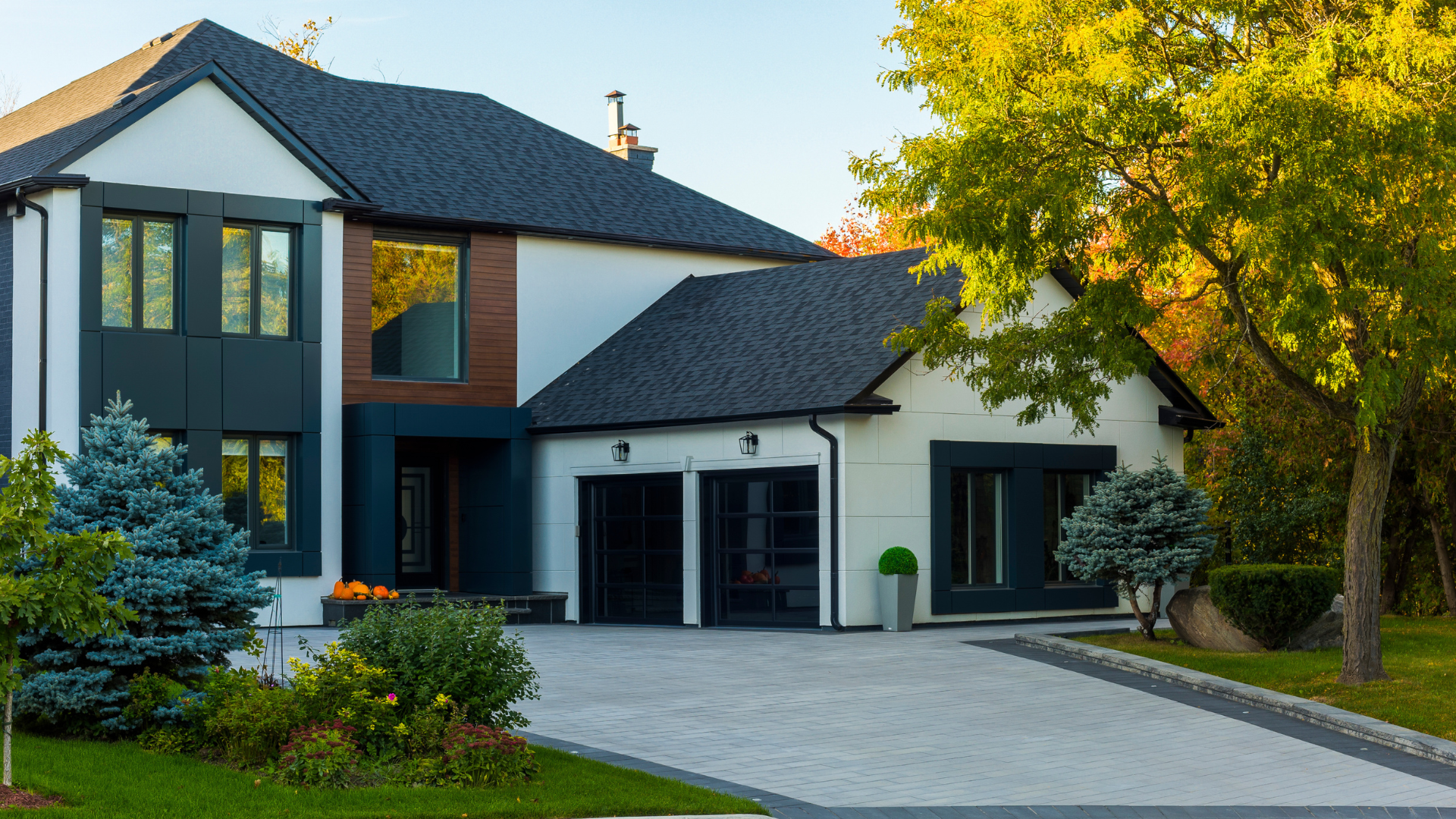
Architectural drawings show the vision for a home. Construction turns that vision into something physical.
In residential projects, the gap between design intent and build reality is where many problems emerge. Misalignment at this stage can lead to pricing uncertainty, site delays and difficult conversations with clients.
When architects and builders understand how design decisions translate on site, projects run more smoothly, budgets remain more stable and the finished home stays closer to the original vision.
This blog explains where design intent and construction reality often diverge and how architects and builders can work together to close that gap.
Design Intent
Design intent is the architect’s vision for a project and typically refers to the intended purpose, aesthetic and functional goals of residential buildings, including how spaces should feel, flow and perform. It explains why the design is created the way it is and ensures that every design decision supports the overall vision of the project.
Build reality
This is the physical structure and practical implementation of a design, considering the real-world conditions such as materials, labour time, costs, schedule and construction methods. It also refers to the practical process of turning an architectural design into an actual building on site; this often differs from the initial design due to field adjustments.
Why design and construction often drift apart
Architectural design focuses on spatial quality, light, flow and aesthetics. Construction must resolve practical constraints. High-quality, original materials or complex details are often cut to meet budgeting, leading to diminished aesthetic or functional performance.
Builders need to consider factors that are not always visible in drawings, including:
- Structural load paths and support requirements
- Material tolerances and installation limitations
- Construction sequencing
- Site access and logistics
- Labour availability and programme constraints
A design that looks simple on paper can become complex once these realities are introduced. Ignoring these can cause tension between the build and design teams; incorporating early collaboration helps ensure design ideas remain achievable without compromising build quality.
Questions architects should ask during design development
To ensure the final built project matches the initial design, architects should ask specific questions during the design, specification and construction phases to identify any budget constraints, material availability and structural limitations.
Here are the questions architects should ask:
- How will this detail actually be constructed on site?
- What structure is required to support this design choice?
- Does the sequence of work affect the design outcome?
- Will this detail require specialist trades or fabrication?
- Could a simpler construction method achieve the same visual result?
Asking these questions during design development allows design quality to remain high while keeping the project buildable.
What good collaboration looks like
Residential projects tend to run more smoothly when builders, contractors and architects have proactive engagement and move towards a shared goal mentality and utilise design-build to reduce cost, schedule delays and rework.
To ensure good collaboration, you should include the following:
- Shared vision
- Virtual design & construction
- Transparent documentation
- Risk management
Open communication allows for challenges to be discussed openly, focusing on solutions rather than blame. As a result, clear, documented communication that manages changes to the original design can act as the foundation for risk management and virtual design through 3D models.
A simple design coordination check
A targeted design coordination check during the design development phase is a helpful tool to prevent costly, time-consuming construction issues. Identifying issues early when they can be solved proactively, rather than later on-site, will reduce rework, foster collaboration and streamline construction.
Before finalising a detail, review whether the design clearly defines the following:
- Gridlines match across drawings
- Dimensions coordinate correctly
- Structural support and load paths are resolved
- Door swings & access are coordinated.
- Site plan elements align with the building’s design.
During the design phase there are many different architects, builders and engineers all implementing their ideas and plans, so by implementing this checklist, you can maximise teamwork and coordination and prepare for realistic project risks and costs.
The outcome when design and construction align
When architectural design and construction planning are coordinated early, residential projects tend to progress more smoothly and with fewer disruptions. The design intent remains clear throughout the build because the technical decisions required to deliver it have already been considered. Structural requirements, material build-ups and installation sequences are understood before work begins on site.
The key indicators of success are:
- Reduced rework
- Predictable costs
- Client confidence
- Successful handover
As a result, good collaboration ensures that design intent is not just for aesthetics but also a functional, buildable reality achieved when designers and builders work as a team sharing knowledge.
Turning design intent into built reality
Great residential projects do not happen by accident. They are the result of careful coordination between design thinking and construction expertise. When architects and builders work together early in the process, projects benefit from clearer technical solutions, more accurate pricing and a smoother path from drawings to construction.
Crossman and Walsh specialise in delivering high-quality residential construction and regularly collaborate with architects to ensure design intent is carried through to the finished home.
If you are planning a residential project and want confidence that the design can be delivered as intended, contact Crossman and Walsh to discuss your project.